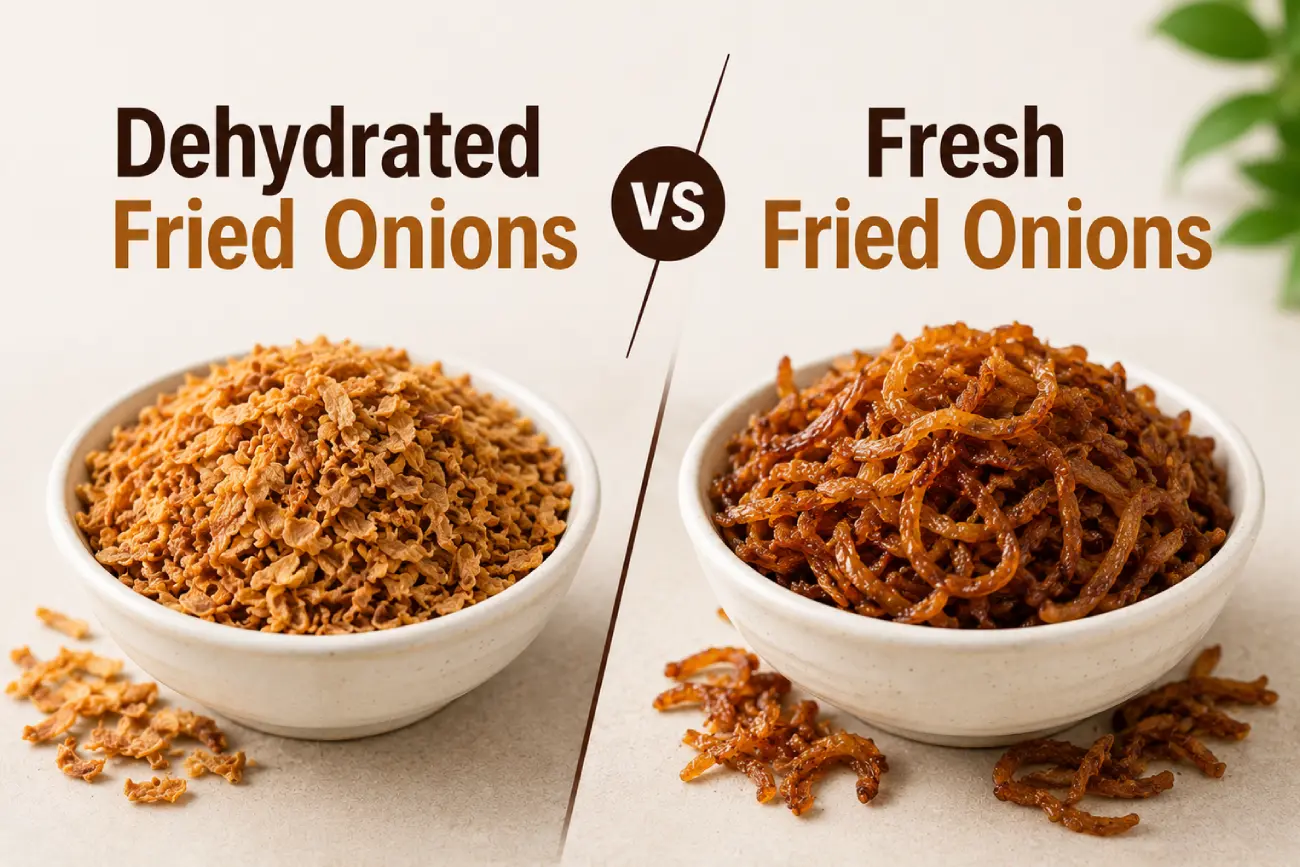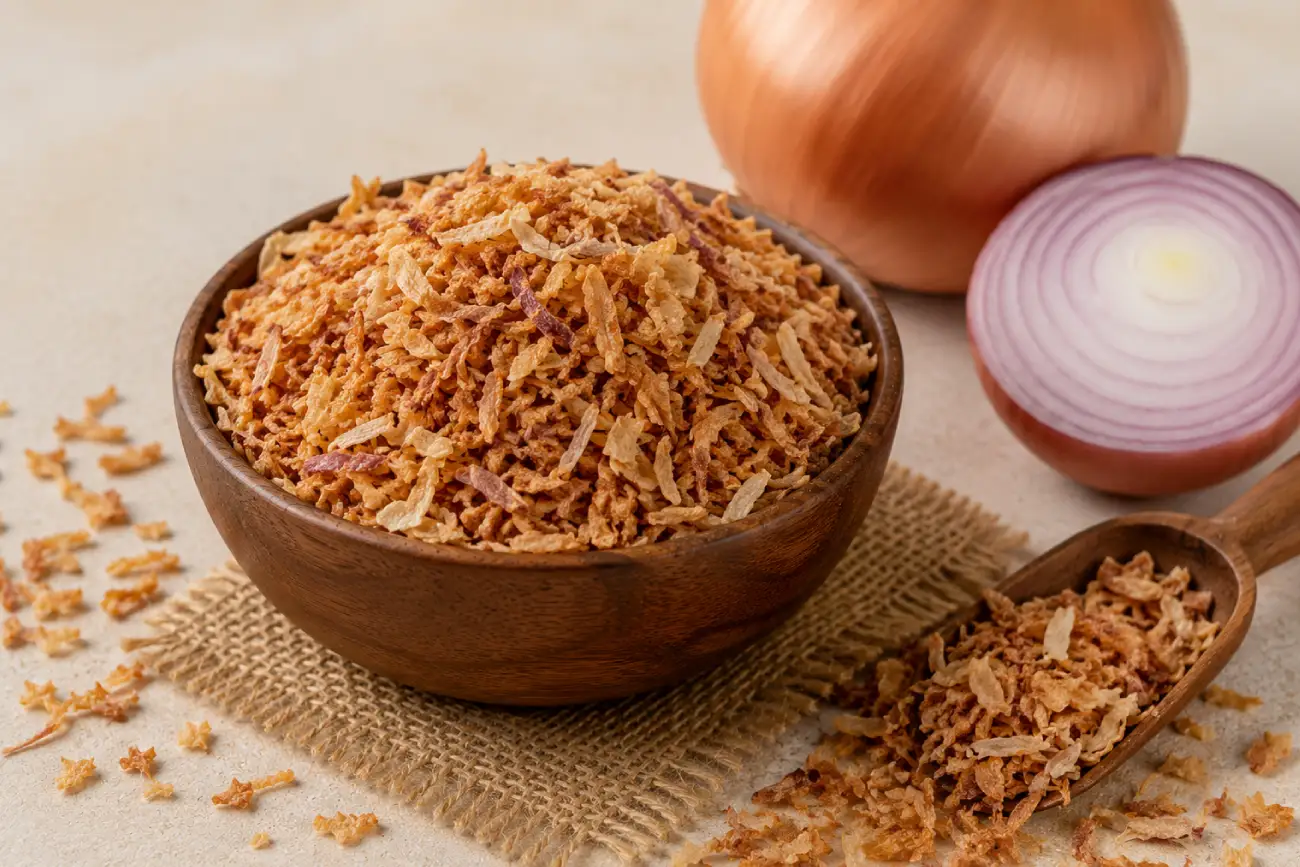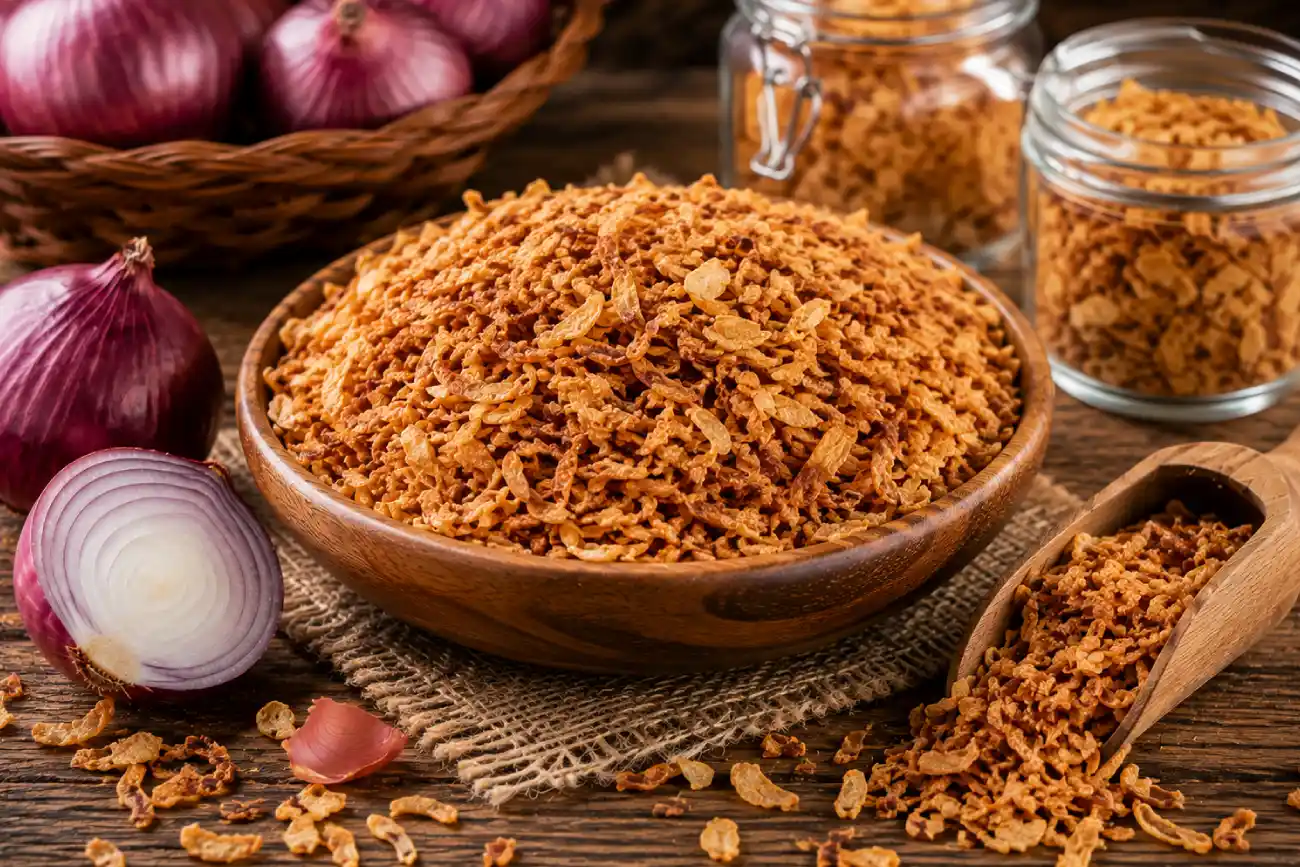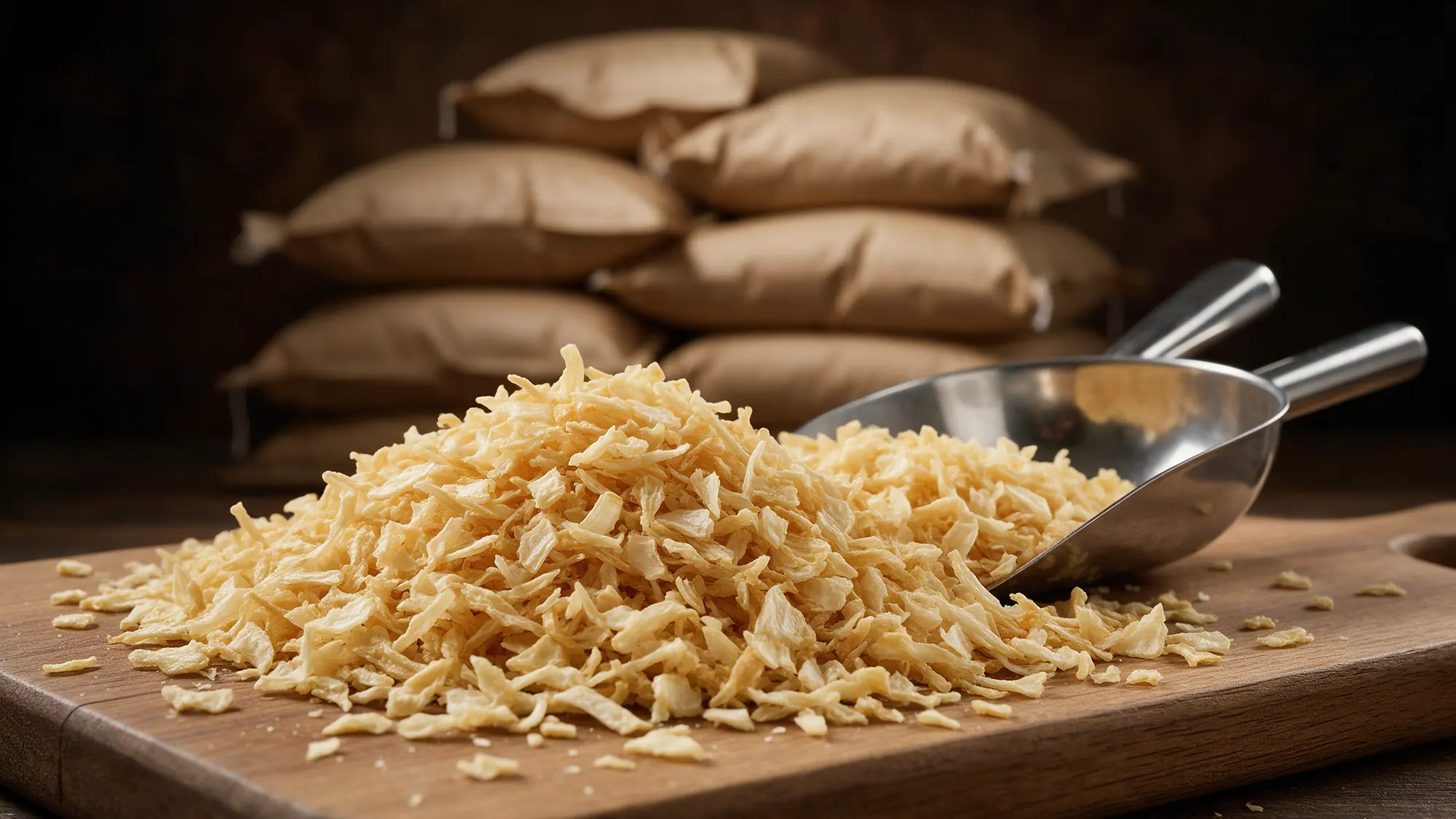


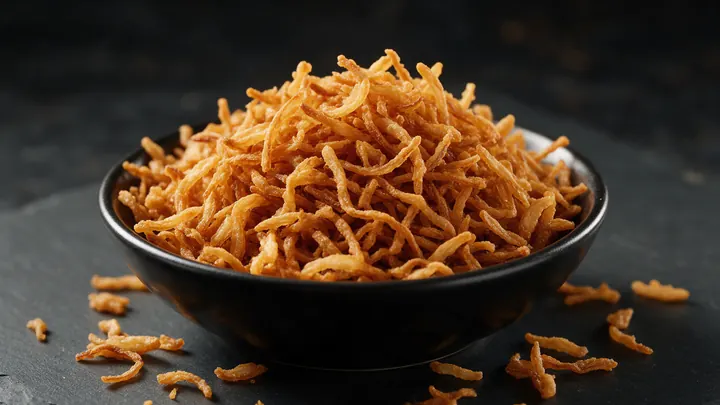
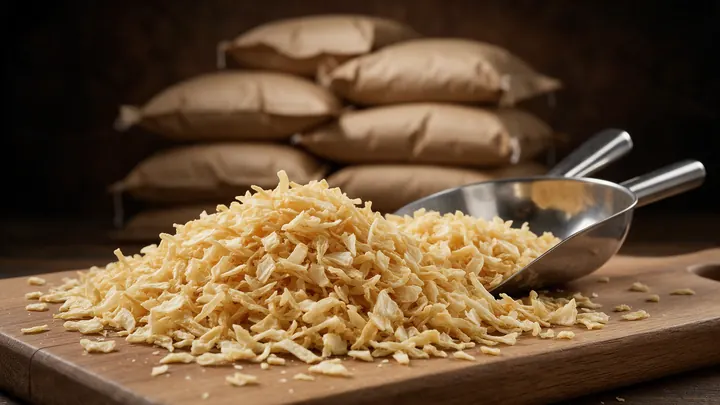






















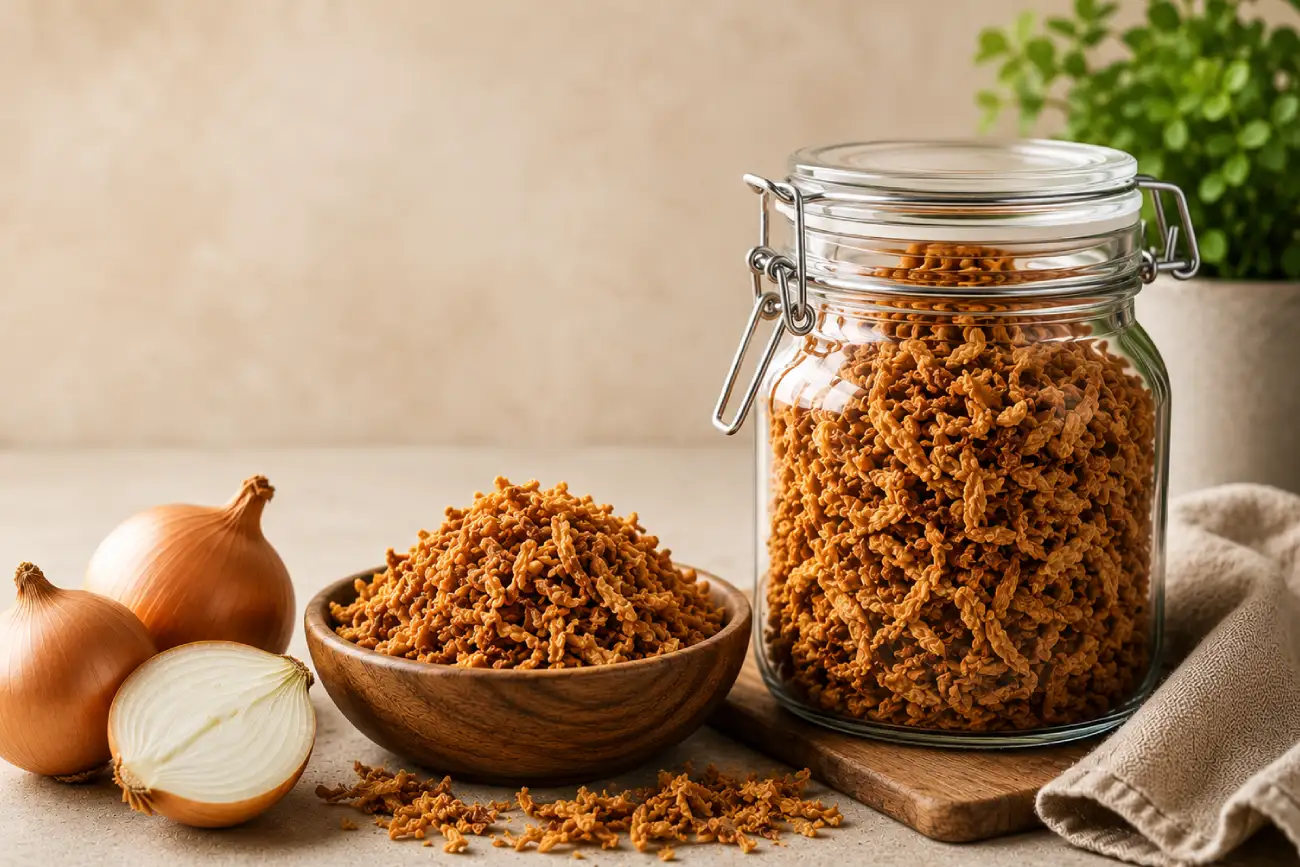
Dehydrated fried onions are widely used in ready-to-eat meals, snack foods, spice blends, instant mixes, and HoReCa kitchens because they offer convenience, consistent flavor, and a longer storage life than freshly prepared fried onions. However, even high-quality products can lose their crispness and freshness if they are not stored correctly.
If you’re sourcing products from a trusted dehydrated fried onion manufacturer in India, following the right storage and handling practices will help preserve quality, reduce waste, and maximize shelf life.
Why Shelf Life Matters
For food manufacturers and bulk buyers, shelf life directly affects product quality, inventory management, and profitability.
Proper storage helps:
- Maintain crisp texture
- Preserve natural onion flavor
- Reduce moisture absorption
- Minimize product waste
- Improve inventory control
- Protect product quality during transportation
Whether you are a restaurant, food processor, exporter, or distributor, extending shelf life helps maintain consistent product performance.
Factors That Affect the Shelf Life of Dehydrated Fried Onions
Several environmental and handling factors influence product stability.
Moisture Exposure
Moisture is one of the biggest threats to dehydrated products.
When fried onions absorb moisture, they may:
- Lose crispness
- Develop clumps
- Experience flavor deterioration
- Become unsuitable for commercial applications
Always keep containers tightly sealed after opening.
Air Exposure
Exposure to oxygen gradually reduces freshness and may affect flavor over time.
Using airtight packaging helps protect product quality throughout storage.
Temperature
Store dehydrated fried onions in a cool, dry location away from direct sunlight and heat sources.
High temperatures can accelerate quality loss and reduce shelf life.
Light
Continuous exposure to sunlight may affect product appearance and overall quality.
Store products in shaded storage areas or opaque packaging whenever possible.
Best Storage Practices
Use Airtight Containers
Once the original package is opened, transfer the product into clean, airtight food-grade containers if resealing is not possible.
Proper sealing helps minimize exposure to air and moisture.
Store in a Cool, Dry Place
Avoid storing products near ovens, steam-producing equipment, or areas with high humidity.
Stable storage conditions help preserve crispness and flavor.
Keep Packaging Intact
Original manufacturer packaging is designed to protect the product during storage and transportation.
If repacking is necessary, use moisture-resistant food-grade packaging materials.
Follow Proper Stock Rotation
Bulk buyers should follow the First In, First Out (FIFO) inventory method.
This practice ensures that older stock is used before newly received inventory, helping reduce product aging and unnecessary waste.
Handle Bulk Orders Carefully
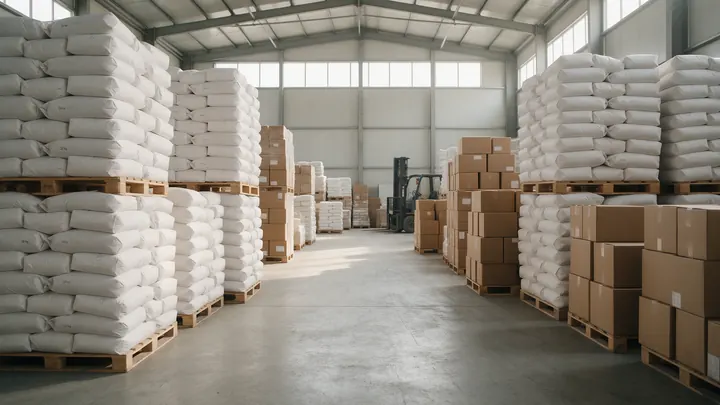
Improper handling during transportation or warehouse operations can damage packaging and expose products to moisture.
To maintain quality:
- Avoid tearing packages
- Prevent excessive compression
- Store pallets above floor level
- Protect products from water exposure
Careful handling is especially important for exporters and distributors managing large inventories.
Choose High-Quality Products
Shelf life begins with product quality.
Working with experienced dehydrated fried onion manufacturers ensures that the product is produced under controlled conditions using quality raw materials and standardized processing methods.
Premium products generally offer:
- Better moisture control
- Uniform frying
- Consistent texture
- Stable flavor
- Reliable shelf life
Select the Right Supplier
Reliable dehydrated fried onion suppliers in India maintain strict manufacturing and quality control procedures that support longer product stability.
When selecting a supplier, evaluate:
- Manufacturing experience
- Food safety practices
- Packaging quality
- Batch consistency
- Production capacity
- Delivery reliability
Businesses that work with trusted suppliers often experience fewer quality-related issues throughout storage and distribution.
Food Safety and Storage Standards
Proper storage supports both product quality and food safety.
According to the U.S. Food and Drug Administration (FDA), dry food products should be stored under clean, dry, and controlled conditions to help maintain quality and reduce the risk of contamination.
Following recommended storage practices protects your investment and helps deliver consistent products to customers.
Industries That Benefit from Proper Storage
Food Manufacturers
Maintain consistent ingredient quality across production batches.
Snack & Namkeen Manufacturers
Preserve crisp texture and appearance in finished products.
Spice & Masala Brands
Protect flavor and ensure reliable performance in seasoning blends.
Hotels, Restaurants & Caterers (HoReCa)
Reduce ingredient waste while maintaining food quality.
Exporters & International Importers
Proper storage and packaging help products remain stable throughout international transportation.
Distributors & Bulk Traders
Longer shelf life improves inventory management and customer satisfaction.
Common Storage Mistakes to Avoid
Avoid these common mistakes:
- Leaving packages open after use
- Storing products in humid environments
- Exposing products to direct sunlight
- Mixing old and new inventory
- Using damaged packaging
- Ignoring recommended storage conditions
Preventing these issues helps maximize product quality throughout its shelf life.
Why Choose Optimum Foods?
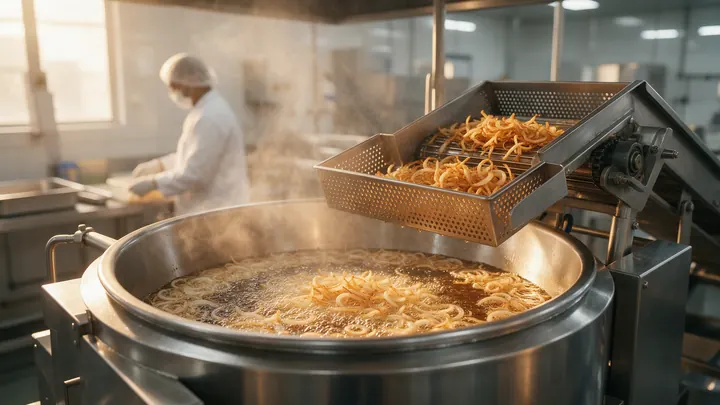
At Optimum Foods, we manufacture premium dehydrated fried onions using carefully selected onions, advanced dehydration and frying processes, hygienic manufacturing practices, and strict quality inspections. Our products are packed in food-grade, moisture-resistant packaging to help preserve freshness, crispness, and shelf life.
We proudly serve food manufacturers, snack brands, spice companies, HoReCa businesses, exporters, distributors, and bulk buyers across India and international markets with dependable quality and consistent supply.
Frequently asked questions
How can I extend the shelf life of Dehydrated Fried Onions?
Store Dehydrated Fried Onions in airtight, moisture-resistant containers in a cool, dry place away from sunlight and humidity. Proper storage, careful handling, and using the FIFO inventory method help preserve crispness, flavor, and overall product quality.
What reduces the shelf life of Dehydrated Fried Onions?
Moisture, air exposure, heat, damaged packaging, and improper storage conditions are the most common factors that reduce shelf life. Maintaining controlled storage conditions helps keep the product fresh for longer.
Why is packaging important for bulk Dehydrated Fried Onions?
Food-grade, moisture-resistant packaging protects dehydrated fried onions from humidity, contamination, and physical damage during storage and transportation. Good packaging helps preserve texture, flavor, and product quality until use.
How do I choose reliable Dehydrated Fried Onion suppliers in India?
Select suppliers with proven manufacturing experience, hygienic production facilities, quality control systems, dependable packaging, and consistent product specifications. Reliable suppliers also provide stable supply for domestic and export markets.
Are Dehydrated Fried Onions suitable for export?
Yes. Premium dehydrated fried onions are widely exported because of their long shelf life, consistent quality, secure packaging, and suitability for international transportation when stored under recommended conditions.
Why should food businesses buy from experienced Dehydrated Fried Onion manufacturers?
Experienced manufacturers maintain standardized production processes, quality inspections, and moisture control systems that help produce consistent dehydrated fried onions suitable for commercial food production and long-term storage.