
























FAQs
Your Questions, Our Commitment
Minimum order quantities, certifications, storage, forms, payment and packaging terms: the answers buyers ask us for most.
Your Questions, Our Commitment
What is the minimum order quantity (MOQ) for onion powder?
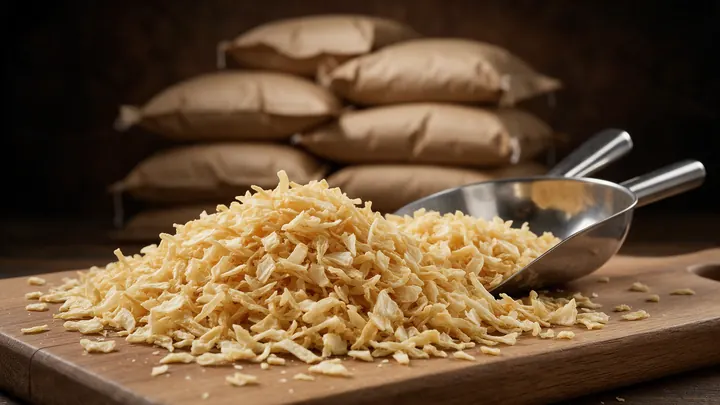
Many B2B suppliers, especially in India or China, set MOQs around 500-1,000 kg for onion powder. For instance, Foodchem requires a 500 kg minimum, while typical MOQs in China hover around 1,000 kg.
What certifications do reliable dehydrated onion and garlic suppliers have?
Suppliers commonly hold certifications such as: FSSAI, HACCP, ISO 22000 and APEDA These ensure food safety, traceability and export compliance
How should I store onion and garlic powder to prevent clumping?
Moisture causes powders to cake. Solutions include: Store in airtight containers in a cool, dry place Add silica gel packets or use small-grain rice Shake or break up clumps regularly
Are granulated and powdered onion/garlic the same?
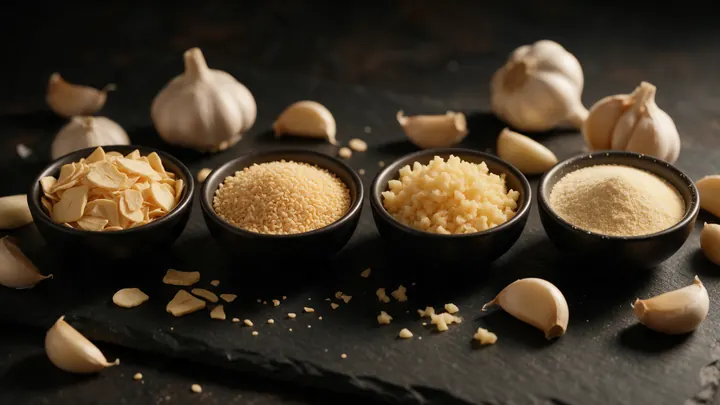
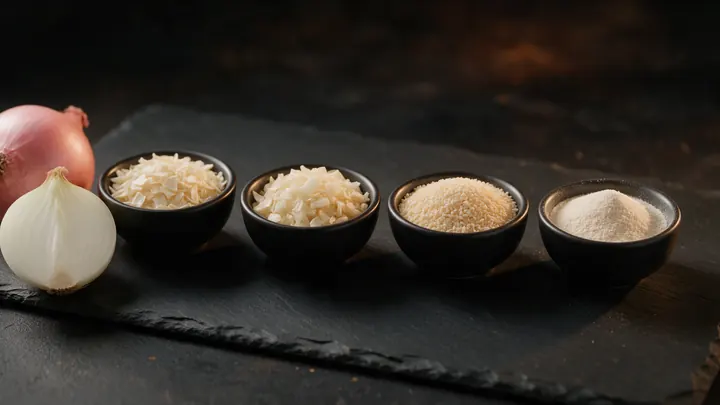
No, the formats differ: Powder is ultra-fine and dissolves rapidly (ideal for marinades or sauces). Granulated is coarser, less likely to burn in dry rubs, easier to store without caking.
What payment and packaging terms do exporters offer?
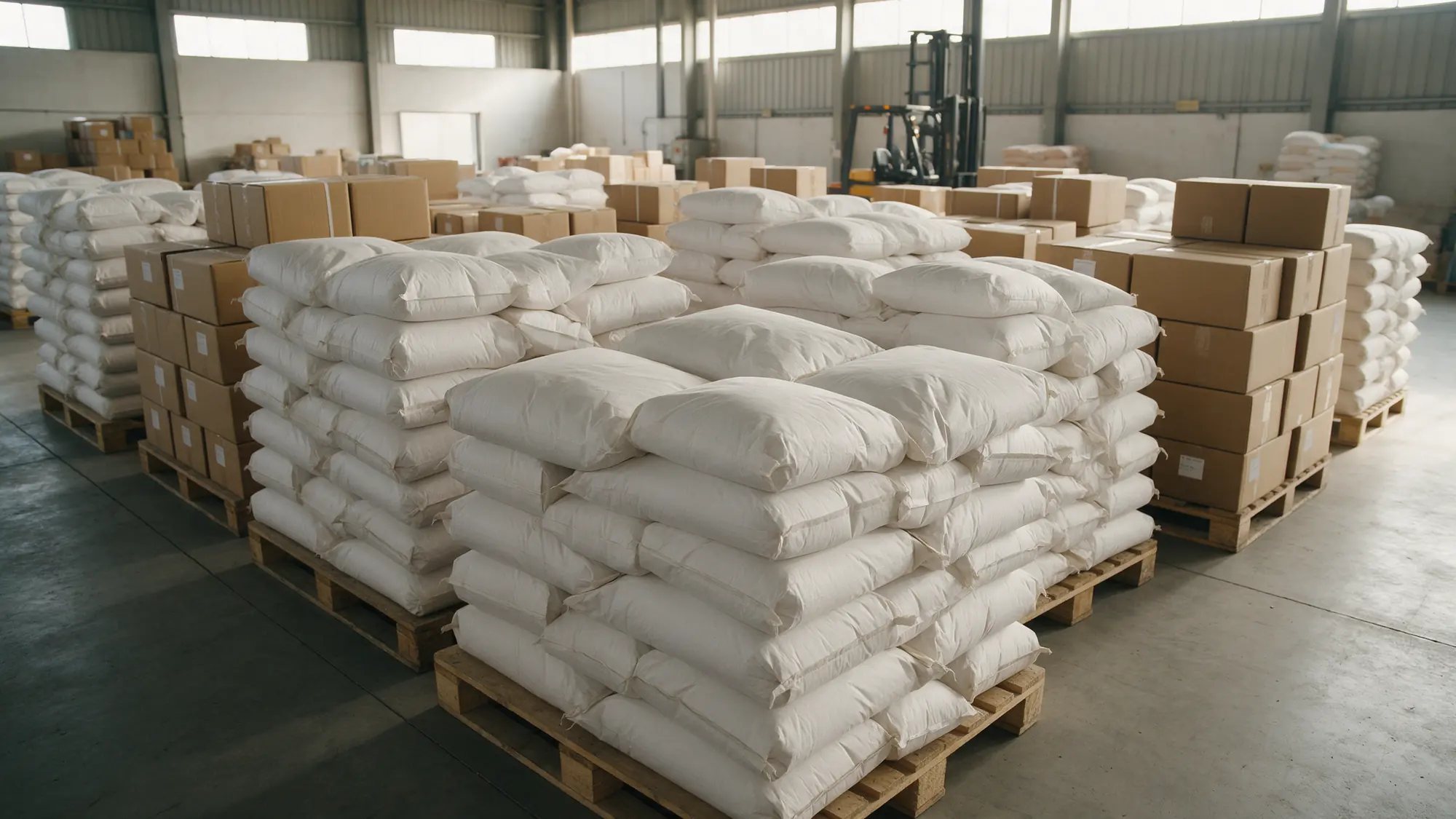
Typical terms include: Payment: T/T, L/C, sometimes PayPal or D/A. Packaging: Bulk (25 kg bags, drums), private-label cartons, eco-friendly options. Documentation usually includes COA, health/origin certificates, invoices and packing lists.
Fresh Fried Onions
Are your fresh fried onions gluten-free?
Yes. Our fried onions are made from pure onions and vegetable oil, completely gluten-free and suitable for vegan diets.
How long do fresh fried onions last?
When stored in a cool, dry place in sealed packaging, they last up to 9-12 months without losing crunch or flavor.
Can I use them for biryani?
Absolutely! They're ideal for biryani, adding depth, aroma and a crispy layer on top
What's the difference between fresh fried onions and dehydrated fried onions?
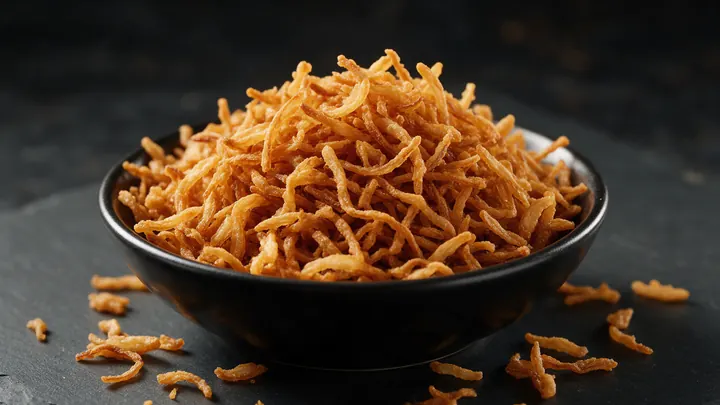
Fresh fried onions are directly fried and packed, often with slightly higher oil content and a more "homemade" texture. Dehydrated fried onions undergo additional drying for extended shelf life and minimal oil retention.
Dehydrated Fried Onions
What are dehydrated fried onions used for?
They're mainly used for garnishing biryanis, curries, soups and snacks. Food manufacturers use them in ready meals and processed foods for consistent flavor and crunch.
Are dehydrated fried onions healthy?
Yes. They are made with natural onions and contain less oil compared to homemade versions, making them a low-fat and gluten-free alternative.
How should I store them?
Store in a cool, dry place in an airtight container. Avoid moisture exposure to maintain crispness.
What is the cost of fried onions in bulk?
Prices vary based on quantity, onion type and packaging. Contact us for a quote on bulk fried onion flakes or view pricing here.
Still have a question?
Our sales team answers specification, sample and logistics questions within one working day.