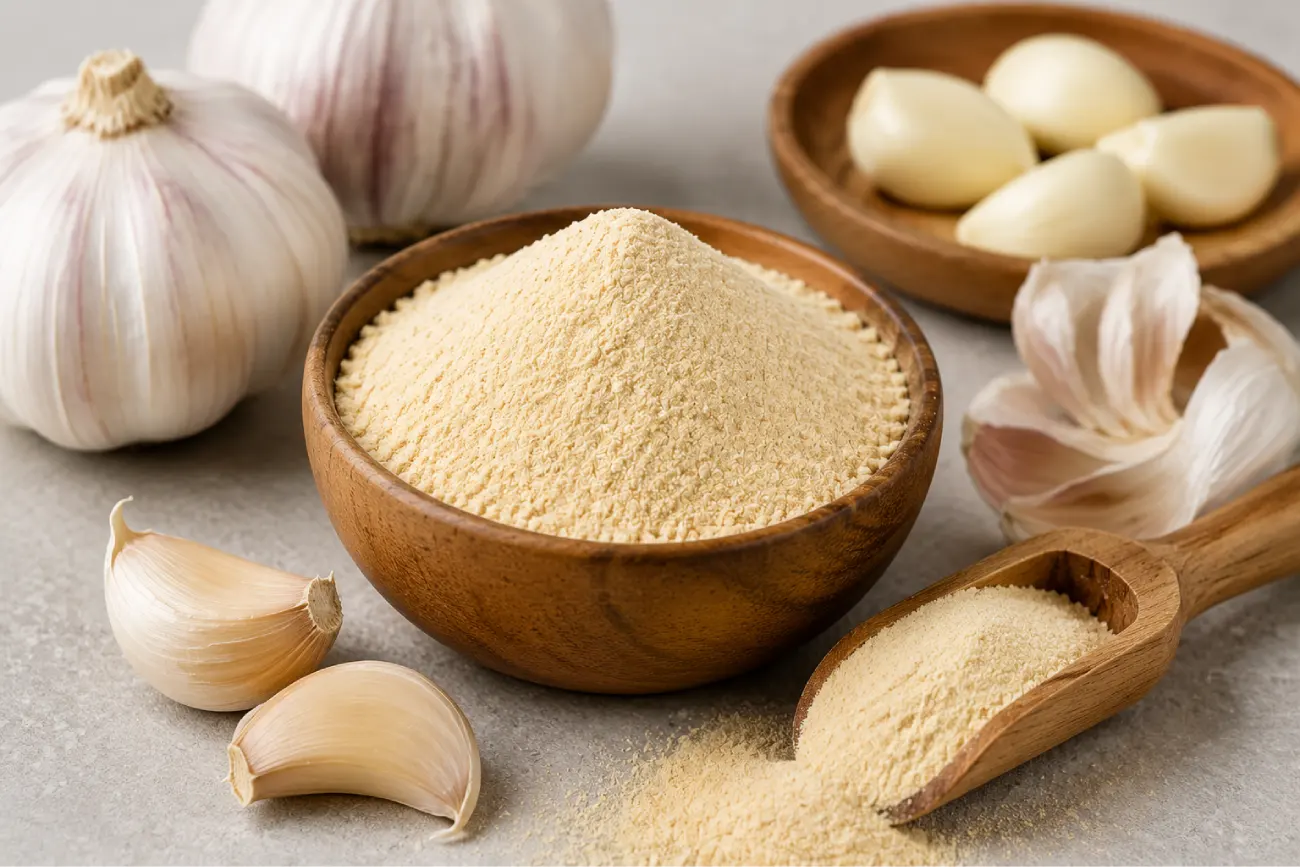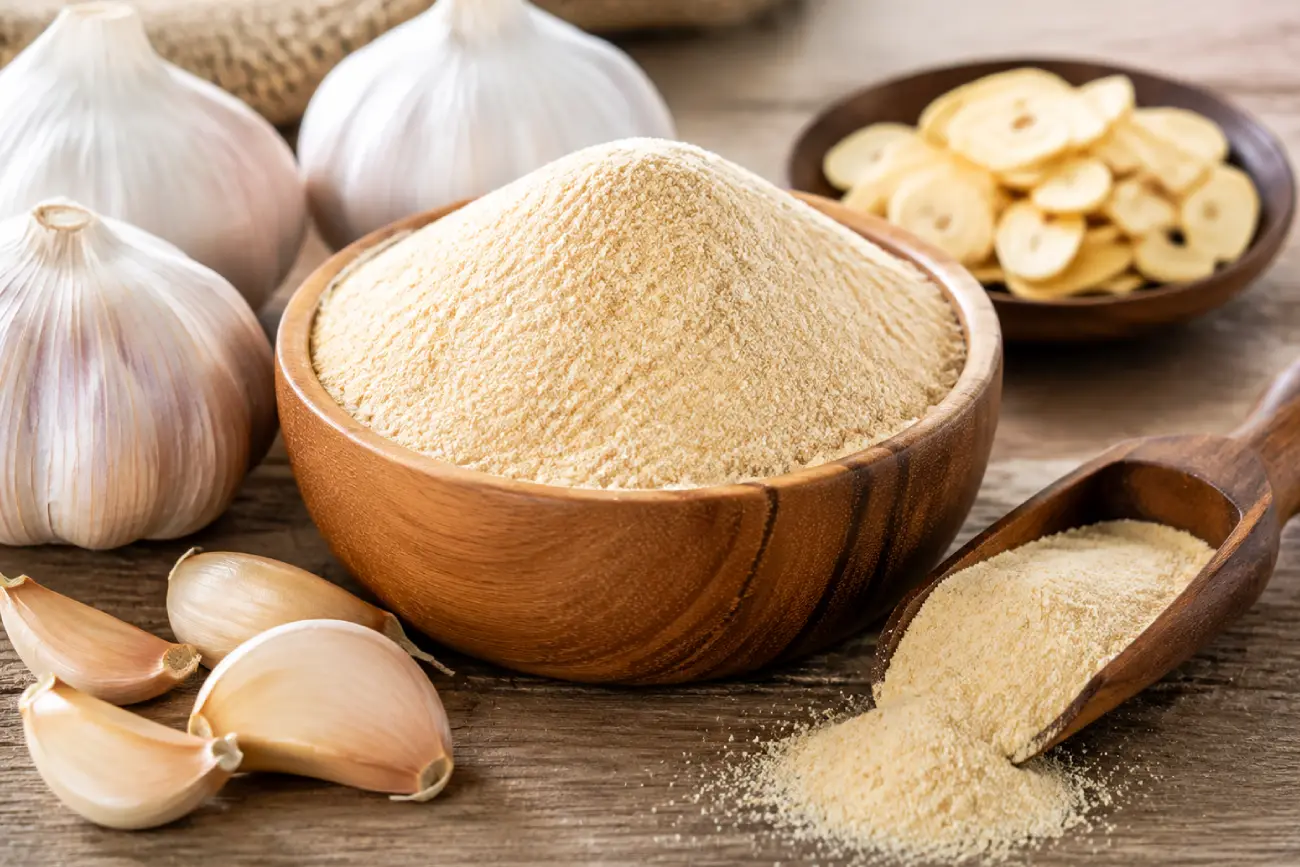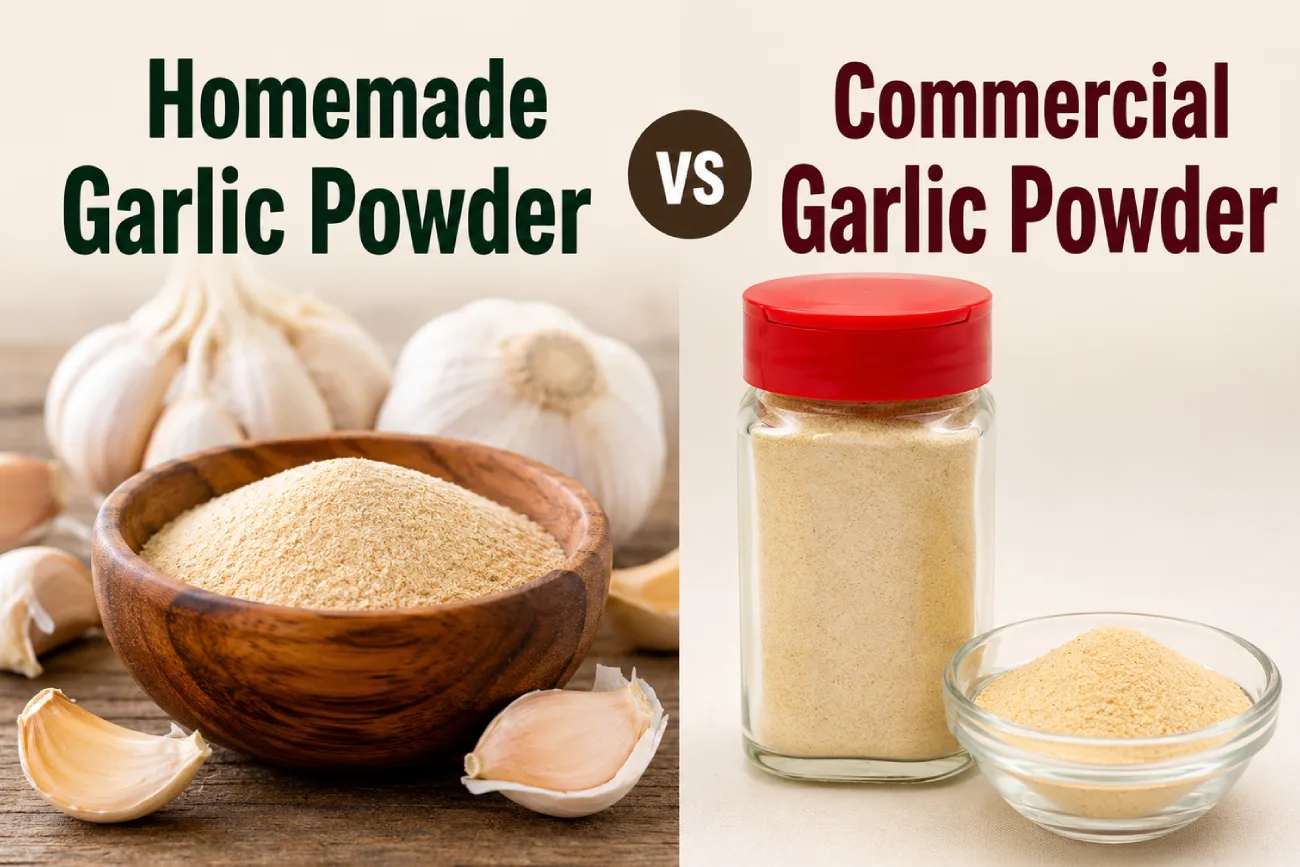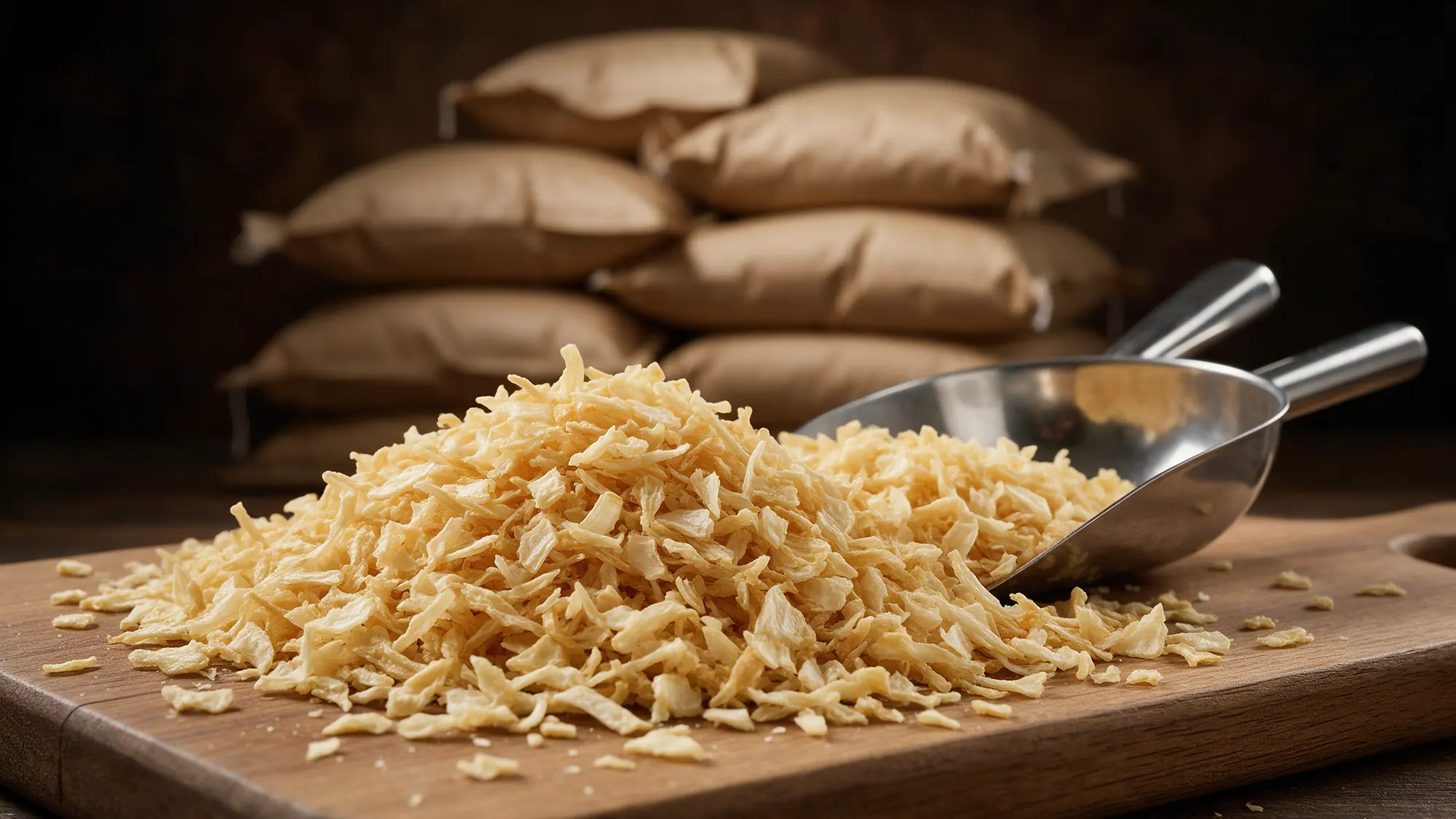
























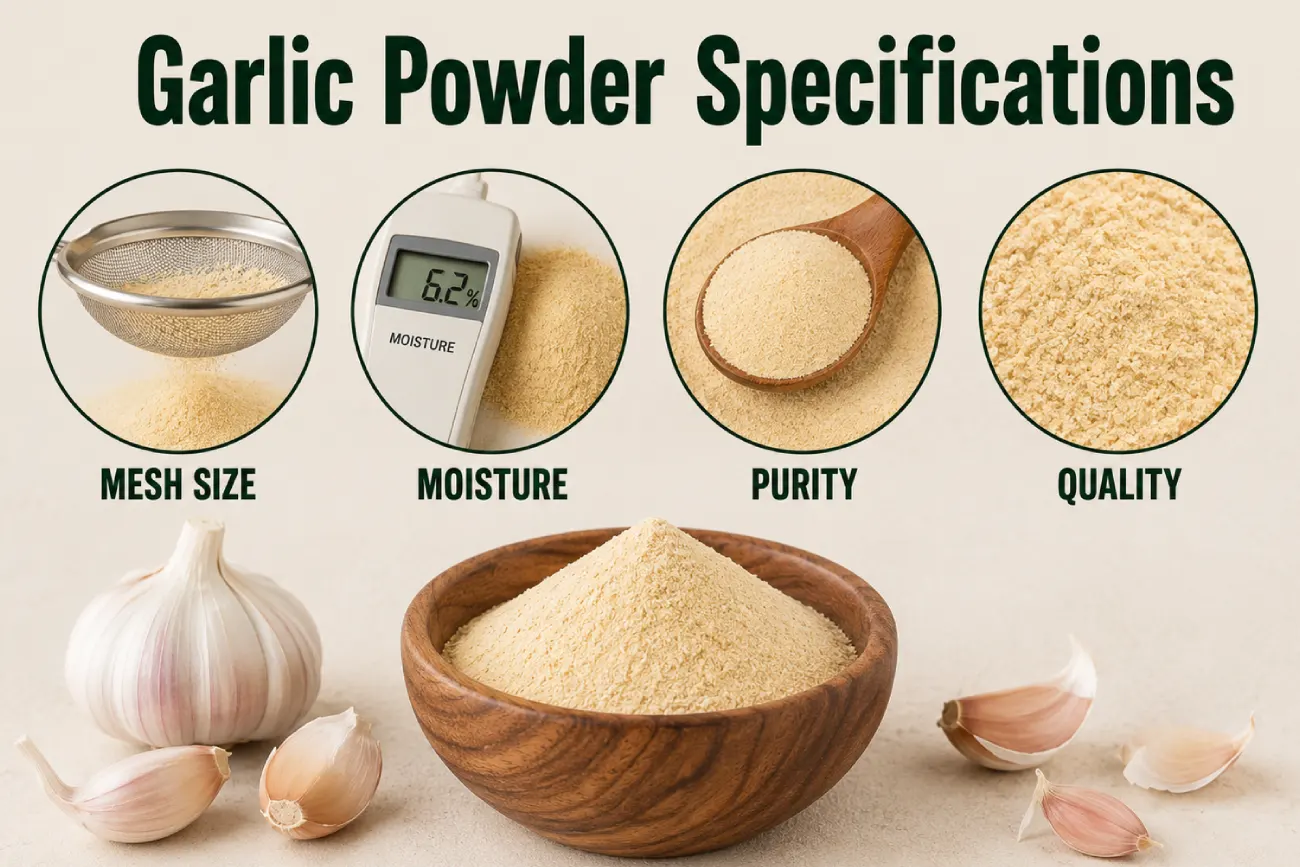
Understanding garlic powder specifications when explained is essential when sourcing ingredients for commercial food production. Whether you manufacture snacks, spice blends, ready-to-eat meals, or seasonings or supply the HoReCa industry, choosing garlic powder with the right specifications directly affects product consistency, shelf life, and customer satisfaction.
Working with a trusted dehydrated garlic powder manufacturer in India ensures you receive garlic powder that meets defined quality standards, undergoes strict quality control, and delivers reliable performance across every production batch.
Why Garlic Powder Specifications Matter
Garlic powder is more than simply dried and ground garlic. Commercial buyers evaluate several technical specifications before approving a supplier because these characteristics determine how the ingredient performs during processing and in finished food products.
Proper specifications help ensure:
- Consistent flavor
- Uniform texture
- Better blending
- Longer shelf life
- Improved food safety
- Reliable manufacturing performance
For large-scale food production, these factors are just as important as price.
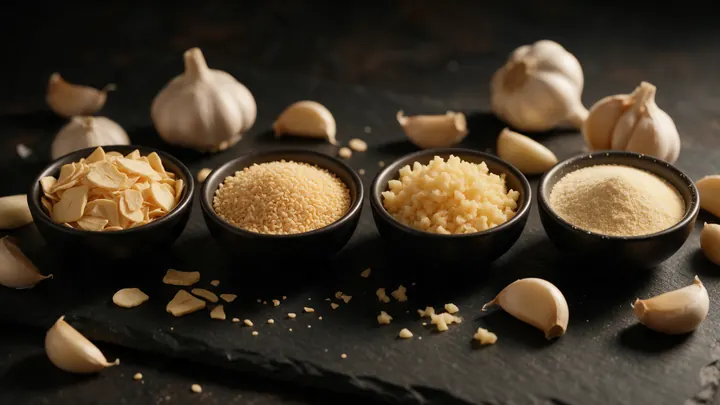
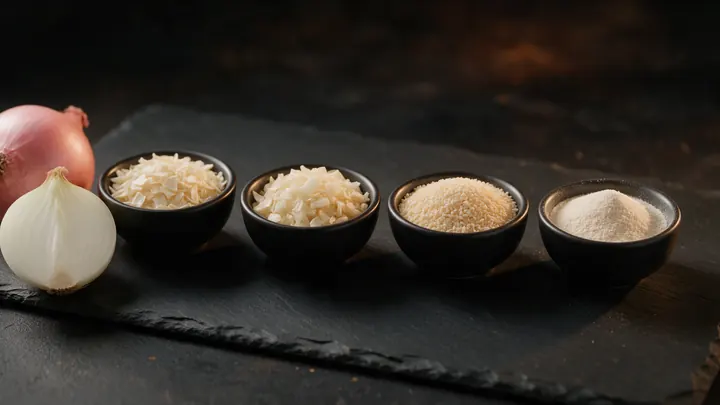
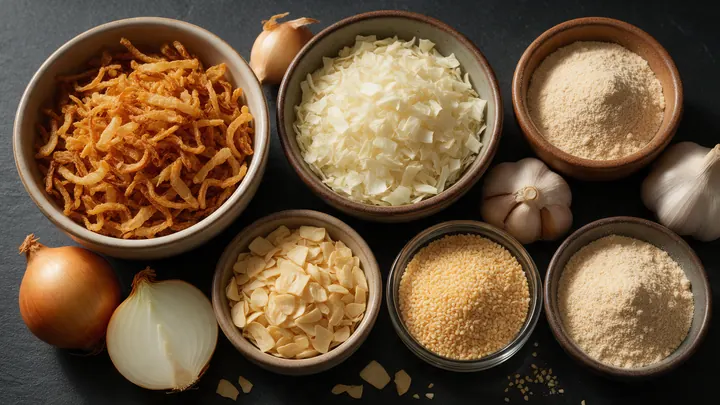
Understanding Mesh Size
Mesh size refers to the fineness of garlic powder after grinding. It indicates how many openings are present per linear inch of a sieve used during production.
Common commercial mesh sizes include:
- 40 Mesh – Coarser powder suitable for seasoning blends and marinades.
- 60 Mesh – Medium-fine powder widely used in sauces, snack seasonings, and spice mixes.
- 80 Mesh – Fine powder preferred for instant mixes and applications requiring smooth texture.
- 100 Mesh and above, ultra-fine powder used where rapid dispersion and uniform appearance are important.
The ideal mesh size depends on your manufacturing process and finished product requirements.
Why Moisture Content Is Important
Moisture content is one of the most critical quality parameters.
Low moisture helps:
- Extend shelf life
- Reduce microbial growth
- Prevent lump formation
- Improve storage stability
- Preserve flavor
Commercial garlic powder manufacturers monitor moisture throughout production using standardized testing procedures.
Although acceptable moisture limits vary by customer specifications, maintaining consistently low moisture is considered a key quality indicator.
Understanding Purity
Purity refers to the percentage of genuine dehydrated garlic present in the finished product.
High-purity garlic powder should contain:
- Pure dehydrated garlic
- No unnecessary fillers
- No foreign matter
- No visible contamination
Reliable garlic powder suppliers in India provide documentation demonstrating product authenticity and quality.
Evaluating Product Quality
Quality involves several measurable characteristics.
Color
Premium garlic powder typically has a light cream to pale yellow appearance.
Dark coloration may indicate excessive heat exposure or poor raw material quality.
Aroma
The fresh garlic aroma should be strong, clean, and characteristic without burnt or stale notes.
Flavor
Commercial garlic powder should deliver consistent flavor intensity throughout every production batch.
Flowability
Good powder flows freely without excessive clumping, making automated production easier.
Raw Material Selection
Quality begins with fresh garlic.
Professional manufacturers carefully select raw garlic based on:
- Freshness
- Maturity
- Size consistency
- Appearance
- Processing suitability
Only suitable raw materials move into dehydration and grinding processes.
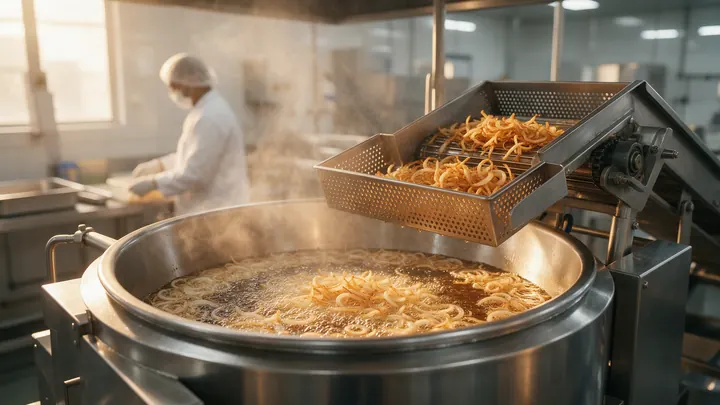
Manufacturing Process
Reliable garlic powder manufacturers follow standardized production methods.
Typical stages include the following:
- Raw garlic inspection
- Washing and cleaning
- Peeling
- Slicing
- Controlled dehydration
- Grinding
- Sieving to required mesh size
- Quality inspection
- Food-grade packaging
Every stage contributes to product consistency and food safety.
Quality Control Parameters
Professional manufacturers perform multiple quality checks before shipment.
These commonly include:
- Moisture analysis
- Mesh size verification
- Color inspection
- Aroma evaluation
- Purity assessment
- Foreign matter inspection
- Packaging integrity
Comprehensive quality control improves consistency across commercial orders.
Choosing the Right Garlic Powder Supplier
Selecting experienced garlic powder suppliers in India is just as important as selecting the right product.
Consider suppliers that offer:
- Modern manufacturing facilities
- Consistent production capacity
- Batch traceability
- Food-grade packaging
- Technical specifications
- Quality documentation
- Responsive customer support
Long-term supplier relationships help maintain production consistency.
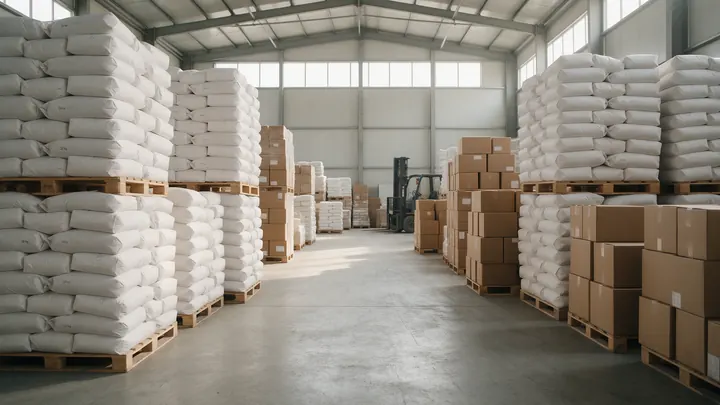
Bulk Purchasing Considerations
Businesses placing large orders should request detailed product specifications before purchase.
Discuss:
- Required mesh size
- Moisture requirements
- Packaging options
- Lead times
- Batch consistency
- Product testing
- Export documentation
Experienced bulk garlic powder export companies typically provide technical data sheets and certificates upon request.
Food Safety Standards
Food ingredient suppliers should operate under recognized food safety systems.
The U.S. Food and Drug Administration (FDA) outlines Current Good Manufacturing Practices (CGMP) to help ensure food ingredients are manufactured, processed, packed, and stored under sanitary conditions that minimize contamination risks.
Working with manufacturers that follow recognized food safety practices helps protect product quality and supports regulatory compliance.
Why Businesses Choose Professional Manufacturers
Commercial buyers choose experienced manufacturers because they provide the following:
- Consistent product specifications
- Reliable production capacity
- Uniform flavor
- Stable moisture levels
- Better documentation
- Food-grade packaging
- Long-term supply reliability
These advantages reduce operational risks and improve finished product consistency.
Conclusion
Understanding garlic powder specifications allows food manufacturers and bulk buyers to select products that match their production requirements. Mesh size, moisture content, purity, aroma, and overall quality all influence processing performance and finished product consistency.
Partnering with an experienced manufacturer ensures dependable quality, transparent specifications, and reliable supply.
At Optimum Foods, we manufacture premium dehydrated garlic powder using carefully selected raw garlic, advanced processing technology, and strict quality control procedures.
Our products are trusted by food manufacturers, spice brands, HoReCa businesses, exporters, distributors, and bulk buyers across India and international markets.
Frequently asked questions
What does mesh size mean in garlic powder specifications?
Mesh size indicates how fine or coarse the garlic powder is after grinding. Different mesh sizes are selected based on the intended food application, blending requirements, and processing methods.
Why is moisture content important in garlic powder?
Low moisture helps improve shelf life, reduces the risk of microbial growth, prevents caking, and maintains consistent product quality during storage and transportation.
How can I evaluate the quality of garlic powder?
Check the product's color, aroma, flavor, purity, moisture level, particle size, and packaging quality. Reliable manufacturers also provide technical specifications and quality documentation.
Why should businesses buy from Garlic Powder manufacturers?
Manufacturers provide consistent production, quality control, standardized specifications, food-grade packaging, and reliable bulk supply, making them suitable for commercial food production.
What should I ask Garlic Powder suppliers in India before placing an order?
Request information about mesh size, moisture content, purity, packaging options, production capacity, lead times, quality certifications, and technical documentation before finalizing your purchase.
Do Bulk Garlic Powder Exporters provide customized specifications?
Yes. Many bulk exporters can offer customized mesh sizes, packaging formats, moisture specifications, and labeling requirements based on customer needs and export markets.