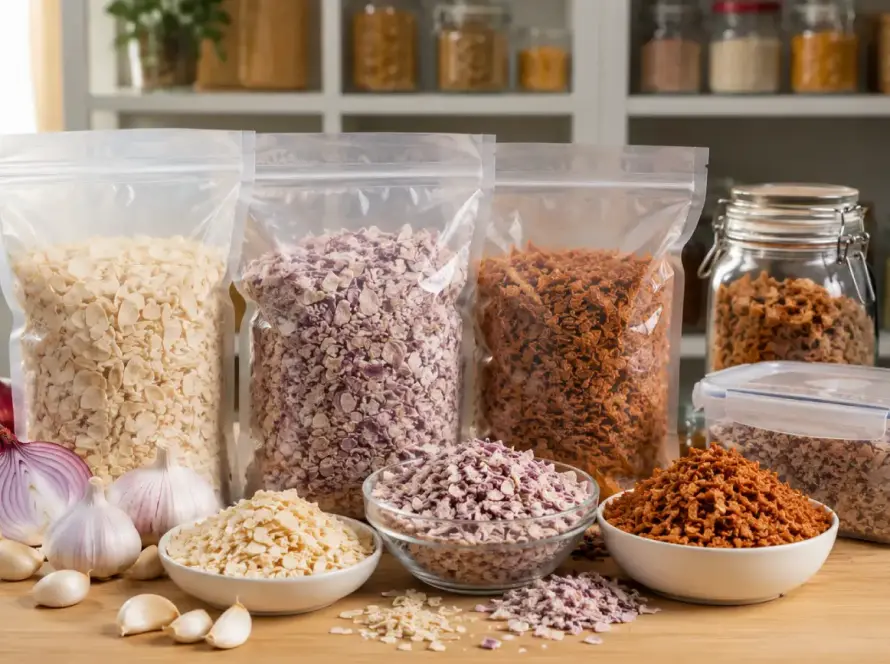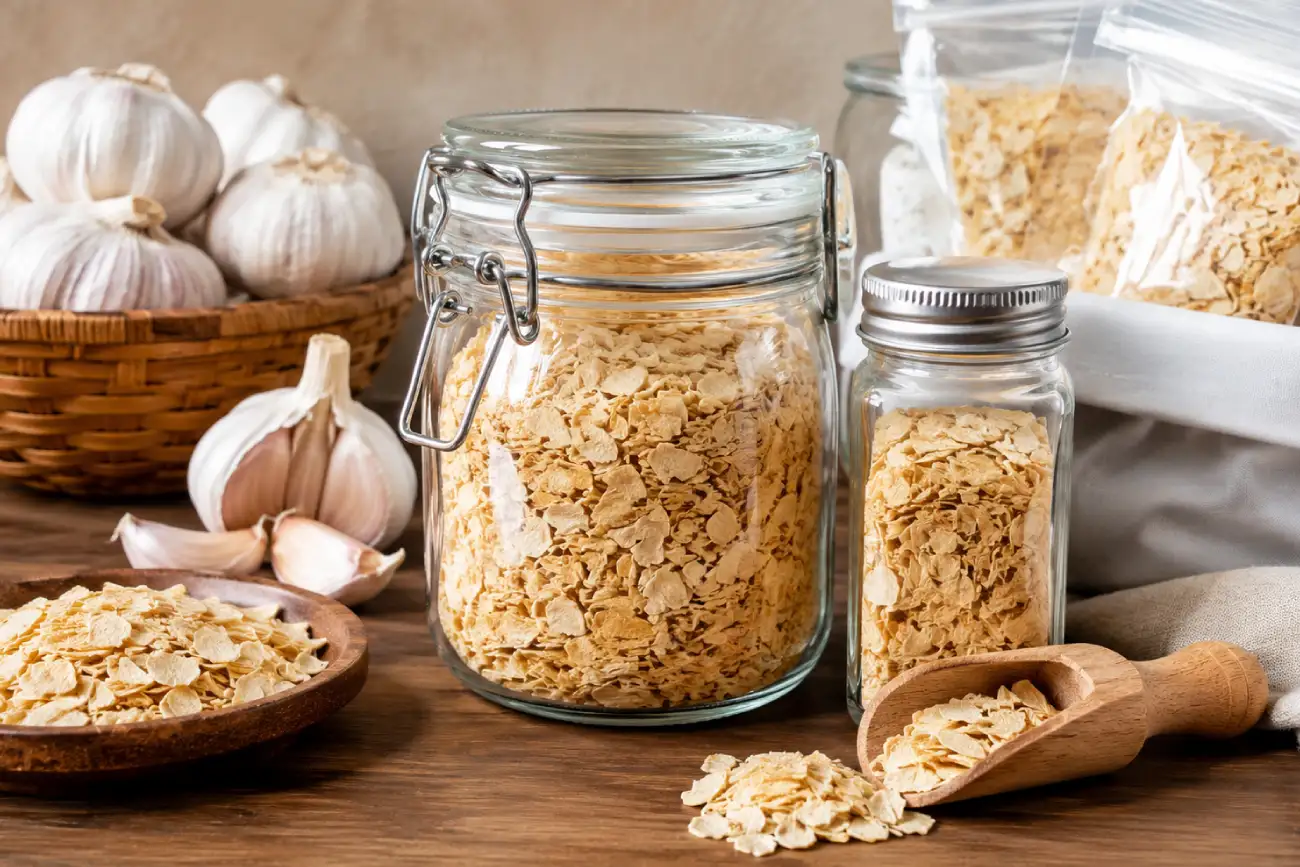
Dehydrated garlic is widely used by food manufacturers, spice brands, restaurants, snack producers and exporters because of its long shelf life, rich flavor and convenience. However, even high-quality dehydrated garlic can lose its aroma, texture and performance if it is not stored correctly.
Proper storage helps preserve product quality, reduce waste and ensure consistent results in commercial food production.
If you purchase products from a trusted dehydrated garlic manufacturer in India, following the right storage practices will help maximize shelf life and maintain the quality of every batch.
Why Proper Storage Is Important
Dehydrated garlic has a naturally long shelf life because most of its moisture has been removed during processing. However, exposure to moisture, air, heat and light can gradually reduce its quality.
Correct storage helps the following:
- Preserve flavor and aroma
- Maintain low moisture content
- Prevent clumping
- Extend shelf life
- Reduce product waste
- Maintain consistent food quality
For businesses purchasing in bulk, good storage practices also protect inventory and reduce replacement costs.
Store Dehydrated Garlic in a Cool and Dry Place
Temperature and humidity are two of the biggest factors affecting dehydrated garlic.
Choose a storage area that is:
- Cool
- Dry
- Clean
- Well ventilated
- Protected from direct sunlight
Avoid storing products near heat-generating equipment or areas with fluctuating temperatures, as these conditions may reduce product quality over time.
Use Airtight Packaging
After opening the original package, transfer dehydrated garlic to airtight food-grade containers if it will not be used immediately.
Proper sealing helps protect the product from:
- Moisture
- Air exposure
- Dust
- Insects
- External odors
For commercial users, resealable bulk packaging can also help preserve freshness between production cycles.
Keep Moisture Away
Moisture is one of the biggest enemies of dehydrated ingredients.
Even small amounts of humidity can cause the following:
- Clumping
- Reduced shelf life
- Flavor loss
- Product spoilage
Always ensure storage containers are completely dry before filling them and avoid using wet scoops or utensils.
Protect from Direct Sunlight
Exposure to sunlight can affect both the flavor and appearance of dehydrated garlic.
Store products in:
- Opaque containers
- Covered storage areas
- Indoor warehouses
- Shelving away from windows
Limiting light exposure helps preserve product quality throughout its shelf life.
Follow the FIFO Method
Commercial food businesses should use the First In, First Out (FIFO) inventory system.
FIFO means older stock is used before newly received inventory.
This approach helps:
- Reduce waste
- Improve stock rotation
- Maintain product freshness
- Prevent expired inventory
FIFO is especially useful for manufacturers, distributors and HoReCa businesses managing large inventories.
Store Different Garlic Products Separately
Different forms of dehydrated garlic may have different packaging and handling requirements.
Common products include:
- Garlic Flakes
- Garlic Minced
- Garlic Granules
- Garlic Powder
Keeping each product in clearly labeled, sealed containers helps maintain product identity and prevents cross-contamination.
Best Storage Practices for Bulk Buyers
Businesses purchasing from bulk dehydrated garlic exporter companies should establish standardized storage procedures.
Recommended practices include:
- Store products on pallets rather than directly on the floor.
- Keep adequate space between walls and stored goods.
- Maintain warehouse cleanliness.
- Monitor humidity levels.
- Inspect packaging regularly.
- Seal opened containers immediately after use.
These simple measures help maintain product quality during long-term storage.
Common Storage Mistakes to Avoid
Avoid these mistakes to maximize product life:
Leaving Packages Open
Open packaging allows moisture and air to enter, reducing freshness.
Using Wet Equipment
Always use clean and dry scoops or utensils when handling dehydrated garlic.
Storing Near Strong Odors
Garlic products may absorb surrounding odors if packaging is not properly sealed.
Ignoring Inventory Rotation
Using newly received stock before older inventory increases the risk of expired products.
How to Choose a Reliable Supplier
Proper storage begins with purchasing high-quality products.
Reliable dehydrated garlic suppliers in India should provide the following:
- Hygienically processed products
- Food-grade packaging
- Controlled moisture levels
- Consistent product quality
- Secure packaging
- Reliable delivery
- Technical product specifications
Working with experienced dehydrated garlic manufacturers helps ensure products arrive in excellent condition and remain stable during storage.
Food Safety and Storage Standards
Proper storage supports food safety throughout the supply chain.
The U.S. Food and Drug Administration (FDA) recommends storing dry food ingredients under sanitary conditions that protect them from contamination, moisture and pests as part of Current Good Manufacturing Practices (CGMP).
Following recognized storage practices helps preserve product quality and supports safe food production.
Benefits of Proper Storage
Correct storage provides long-term advantages for commercial food businesses:
- Longer shelf life
- Better flavor retention
- Reduced waste
- Improved inventory management
- Consistent product quality
- Lower operating costs
- Reliable production performance
These benefits make proper storage an essential part of efficient food manufacturing and distribution.
Why Choose Optimum Foods?
At Optimum Foods, we manufacture premium dehydrated garlic using carefully selected raw garlic, advanced dehydration technology and strict quality control systems.
Every batch is packed in food-grade packaging designed to protect freshness during transportation and storage.
Our dehydrated garlic products are trusted by food manufacturers, snack producers, spice brands, HoReCa businesses, exporters, distributors and bulk buyers across India and international markets.
We are committed to delivering consistent quality, reliable supply and products that perform exceptionally throughout their shelf life.
Frequently Asked Questions
- How should Dehydrated Garlic be stored?
Store Dehydrated Garlic in a cool, dry place using airtight, food-grade containers. Keep it away from moisture, heat, direct sunlight and strong odors to preserve flavor, aroma and shelf life.
- Does Dehydrated Garlic need refrigeration?
No. Dehydrated Garlic does not normally require refrigeration. Proper storage in sealed packaging at room temperature in a clean, dry environment is sufficient for maintaining product quality.
- Why is moisture harmful to dehydrated garlic?
Moisture can cause clumping, reduce shelf life, affect flavor and increase the risk of spoilage. Keeping dehydrated garlic dry is one of the most important storage practices.
- How do I choose reliable dehydrated garlic suppliers in India?
Choose suppliers with modern manufacturing facilities, hygienic production processes, food-grade packaging, consistent quality control and proven experience supplying food manufacturers and bulk buyers.
- What is the FIFO method for storing dehydrated garlic?
FIFO stands for First In, First Out. It means using older inventory before newer stock, helping maintain freshness, reduce waste and improve inventory management.
- Why is food-grade packaging important for dehydrated garlic?
Food-grade packaging protects dehydrated garlic from moisture, contamination, air and pests. Proper packaging helps maintain product quality throughout storage and transportation.